

Metformin and Weight Loss
How Does Metform Affect Weight Loss? When patients receive a diagnosis for type 2 diabetes, physicians frequently recommend metformin as the immediate, first-line medication. Clinical research demonstrates that this prescription actively improves blood sugar control by training the human body to utilize its own natural insulin much more effectively.
Interestingly, extensive studies also reveal that many individuals taking this drug experience a noticeable drop in their body weight. This specific metabolic benefit is a major reason why the medication is frequently utilized to prevent the onset of diabetes in overweight patients who are at a high risk for the disease. While the FDA has not officially approved the drug specifically as a weight-loss treatment, numerous medical professionals prescribe it for this exact purpose, a practice formally known in the medical community as off-label use.

How Metformin Works
Doctors aren’t entirely sure how metformin works to help you lose weight, but they suspect it’s a combination of things. Perhaps most importantly, it helps reduce your appetite. It does this in part by increasing levels of hormones that help you feel less hungry. It also:
- Limits how your liver produces glucose so that you may need less insulin
- Improves insulin resistance so the insulin your body produces works better
- Changes your gut microbiome, the microorganisms in your digestive system that help break down food
All of these things are also thought to play a role in weight loss.
Is Metformin for Weight Loss Effective?
While it is certainly not a miraculous cure-all, it can successfully assist patients in dropping a modest amount of weight and effectively halting further weight gain. You will not likely see the massive reductions associated with dedicated weight-loss pharmaceuticals like semaglutide (Ozempic, Wegovy) or tirzepatide (Mounjaro, Zepbound), the latter of which hold official FDA approval for treating obesity.
During a massive long-term clinical trial encompassing over 3,000 participants, those taking metformin lost an average of 5.5 pounds. Roughly one-third of the drug’s users lost at least 5% of their total body weight after a single year of treatment. Astonishingly, the results improved over time; patients who maintained the prescription for up to 15 years achieved an average long-term reduction of 6.2% of their total body mass. However, because these metabolic effects are not universally consistent, it cannot officially be classified as a standalone weight-loss drug and must never replace a healthy diet and consistent exercise.
Who Uses Metformin for Weight Loss?
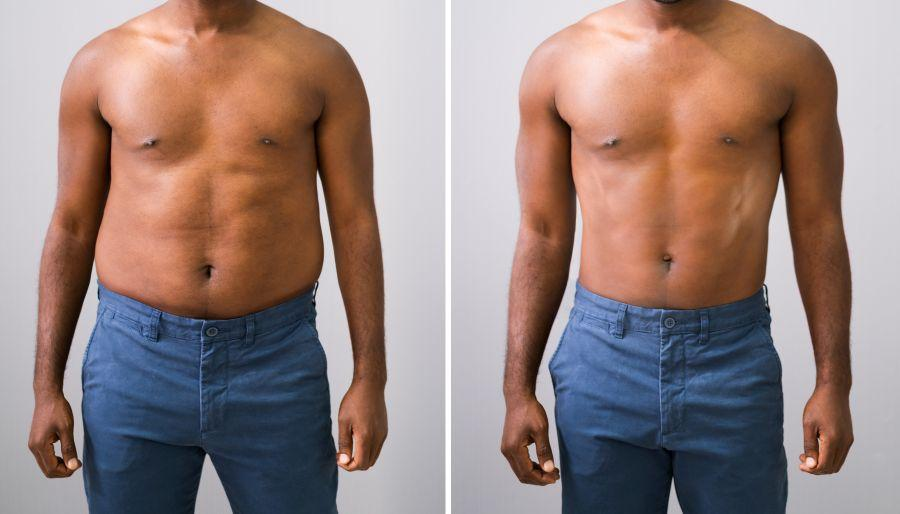
Most people who take metformin have type 2 diabetes. If you have type 2 diabetes, weight loss can slow down the disease.
Others who might be prescribed metformin for weight loss may include those who:
- Have obesity, which doctors define as having a body mass index (BMI) of 30 or more. Studies show that even if you don’t have type 2 diabetes but have obesity, metformin can help with weight loss. Weight loss helps reduce your risk of developing type 2 diabetes.
- Have insulin resistance, a condition in which your body makes the blood-sugar regulating hormone insulin but can’t use it correctly. Metformin helps your body react to the insulin your pancreas produces.
- Take antipsychotic medications. Some of these medications cause weight gain, which increases the risk of type 2 diabetes and other health problems such as high cholesterol. Metformin may help prevent weight gain if you take it when you’re on antipsychotic medications.
Metformin and PCOS
Polycystic ovary syndrome (PCOS) is a hormonal condition that affects as many as 5 million women (and those designated as female at birth) in the U.S. More than half develop type 2 diabetes by the time they’re 40. PCOS also causes issues with your monthly cycle, can lead to pregnancy complications, and is a common cause of infertility. Not only can metformin help prevent weight gain in those with PCOS, but it may also help:
- Restore ovulation
- Reduce the amount of androgen, the male hormone responsible for many PCOS symptoms, in your body
- Reduce your risk of miscarriage
- Reduce your risk of gestational diabetes (diabetes during pregnancy)
Who Can’t Take Metformin for Weight Loss?
Metformin can be a helpful drug for many people, but not everyone should take it. Your doctor may not prescribe metformin if you:
- Have uncontrolled diabetes
- Are allergic to the drug
- Have a serious infection
- Recently had a heart attack
- Have heart failure
- Have trouble breathing
- Have blood circulation problems
- Drink alcohol often or in large amounts
If you have serious kidney disease, your doctor probably won’t recommend metformin. That’s due to an increased risk of a rare but serious condition called lactic acidosis. But you might be able to take it if your kidney disease is in the early stages and your doctor thinks metformin is the best drug for you.
Previously, doctors didn’t prescribe metformin to people with congestive heart disease or chronic liver disease. But experts now believe some people with these conditions can take metformin, as long as they’re watched carefully to avoid complications.
Make sure your doctor knows about all the medications you take. Metformin could interact with acetazolamide (Diamox), dichlorphenamide (Keveyis), methazolamide, topiramate (Topamax Qsymia), or zonisamide (Zonegran).
Metformin Dosage for Weight Loss
As with many medications, your metformin dose will depend on your health. Most people take a step-up approach: Your doctor prescribes a lower dose, then gradually increases it or adds another medication until your blood sugar levels reach safer levels.
Your dosage also depends on what type of metformin you take:
- Immediate-release: If you take this type of pill, you may start at 500 milligrams once or twice a day. Or you might take a once-daily dose of 835 milligrams. If necessary, your doctor can slowly increase this to a target dose, called a maintenance dose, of 850 or 1,000 milligrams twice daily.
- Extended-release (capsules): You usually take these once a day at first, either 500 or 1,000 milligrams. Your doctor can increase your dose slowly, up to a maximum of 2,000 milligrams once or twice daily.
Metformin dosage for weight loss in non-diabetes
Metformin isn’t approved as a weight loss medication, so there’s no labeling information about what dose you should be prescribed. However, doctors have learned what doses are likely best for their patients. In one study, people started by taking 500 milligrams daily and gradually increased to 2,500 milligrams. The average dose ended up being 2,230 milligrams per day. In another study, participants lost weight when they took 1,500 milligrams of metformin a day.
How to Take Metformin for Weight Loss
Whether you take metformin for weight loss or to treat diabetes, the medications are the same.
You take extended-release tablets once a day. Extended-release medications should never be chewed, cut, or broken up in any way. That will send too much of the drug into your system too quickly. If you have trouble swallowing your pill, ask your pharmacist about alternatives. If you keep having problems, talk to your doctor. You might need a different prescription.
You can also get metformin in standard tablets or suspension (liquid), which your body absorbs more quickly. You usually take these once or twice a day. If you are taking it in suspension form, always use an oral syringe, medication cup, or measuring spoon meant for medications. Kitchen measuring spoons aren’t accurate enough for drugs.
Always take metformin with meals. It can upset your stomach or cause diarrhea when you first start taking it, but taking it with food helps reduce this effect.
Takeaways
Metformin is a common diabetes drug that doctors sometimes prescribe off-label for weight loss. It can help you lose modest amounts of weight and prevent weight gain. But it can’t take the place of a healthy diet and regular exercise. If you’re trying to lose weight, ask your doctor about the most effective methods.
Also Read : Vegetable Stir Fry Recipe for Weight Loss